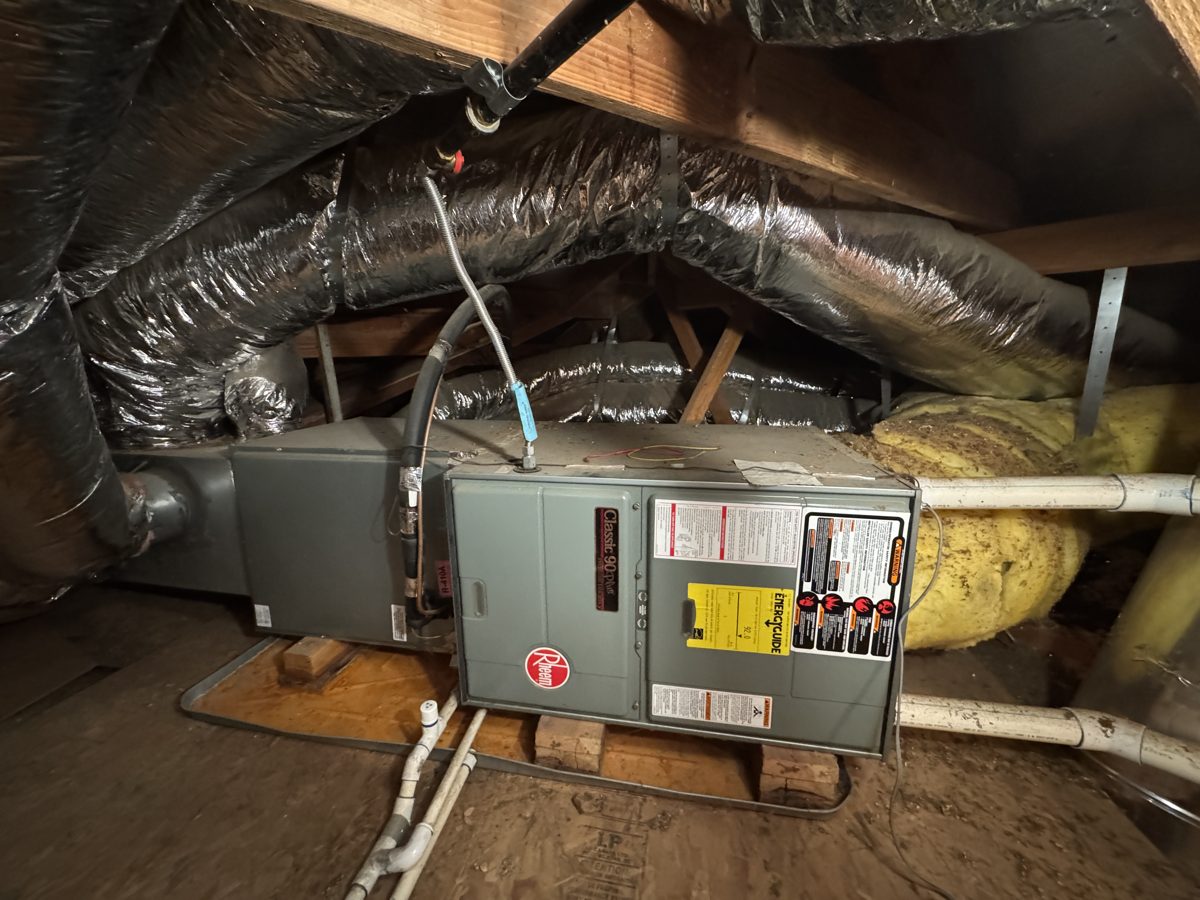
Why is my furnace not blowing heat?
If your furnace is running but not blowing warm air, start with the thermostat and fan settings. Sometimes the fan is simply circulating air between heating cycles. A dirty filter can restrict airflow, while an ignition or safety-control problem can stop the furnace from producing heat. You cannot tell which part has failed from cold air alone.
Which of these best describes your furnace?
- Air comes out of the vents, but it stays cool: check Heat mode and the fan setting first.
- Almost no air comes out: check an accessible filter and make sure return grilles are clear.
- It warms up briefly, then stops: note what happens and arrange diagnosis if it repeats.
The steps below explain what you can safely check and when to stop.
Stop first if there is a safety concern
If you smell gas, hear gas escaping, or suspect a gas leak, leave the area immediately. Do not operate switches, appliances, the thermostat, or a phone inside the suspected leak area. From a safe location, call 911 and your gas utility. For a carbon monoxide alarm or suspected exposure, move everyone to fresh air and contact emergency services. Do not treat either situation as a routine repair appointment or wait for Heco to call back.
For smoke, sparking, a strong electrical burning smell, or a repeatedly tripping breaker, stop troubleshooting and get appropriate emergency or professional help. Do not open equipment panels, bypass a door switch or limit switch, relight a burner, clean a flame sensor, or touch wiring as part of these homeowner checks.
1. Check whether the thermostat is asking for heat
Confirm Heat mode and a temperature setting above the current room temperature. Review a programmed schedule or temporary hold that might be changing the setting. If the thermostat uses user-replaceable batteries and the display is weak or blank, follow its manual for battery replacement. Avoid changing installer settings or removing wiring. A thermostat showing a heat request while the home remains cold is useful information to report; it does not prove that the thermostat itself is defective.
2. Look at the fan setting
With the fan set to On, the blower may circulate air between heating cycles. That air can feel cool even when the heating system is not currently producing heat. Auto normally makes the fan follow the equipment's heating or cooling cycle, although some systems use different circulation controls. Follow the equipment instructions. A short startup or shutdown period may be normal; persistent cool air while the room temperature falls deserves evaluation.
3. Check accessible airflow items
Look for a visibly dirty filter in an accessible filter location. Use the size and type specified for the system, and replace it only according to the manufacturer's instructions. Do not run the furnace without a filter or without its required panels secured. Keep accessible supply registers and return grilles clear of rugs, furniture and stored items. A blocked filter or return can restrict airflow, but replacing a filter does not establish that every heating fault is repaired.
If air is blowing but it stays cold
Possible explanations include fan-only circulation, a furnace that has not completed its heating sequence, or an ignition, flame-proving, control or safety-related fault. An airflow restriction can also cause the heating cycle to be interrupted. A technician needs to determine what is happening during operation. Repeatedly cycling power or changing parts based on an internet symptom list can conceal a fault and does not confirm safe operation.
If little or no air is blowing
Describe whether the thermostat display works and whether you hear any equipment operating. Restricted airflow, blower operation, electrical supply and controls may need inspection. Look at accessible switches or breaker labels without opening an electrical panel or reaching into the furnace. If a breaker is tripped, repeatedly trips, or you are unsure what a switch controls, leave the diagnosis to a professional rather than repeatedly resetting it.
If the furnace starts, then loses heat
Record whether the blower continues after heat stops, whether the problem repeats, and which rooms stay cold. Short cycling or interrupted heat can involve airflow, overheating, ignition or controls. These observations help a technician select checks; they are not permission to reset safety devices. If a fault code is visible through an existing viewing window or on the thermostat, write it down and leave the equipment closed.
What Heco checks during a diagnostic visit
Heco reviews the reported symptoms and the furnace type, then evaluates applicable thermostat controls, airflow, blower operation, ignition, electrical supply, venting and safety functions. Not every visit involves every component. The findings determine the repair options, parts availability and follow-up. A furnace blowing cold air does not automatically need replacement, and a new thermostat does not automatically solve the problem.
Request help for a furnace not blowing heat
Have your city and ZIP code, equipment type, symptom history and any visible code ready. Tell Heco whether there is no airflow, cold airflow or heat that stops after startup. Heco Heating and Air Conditioning is based in Rocklin; coverage and available appointment times are confirmed for the property. The furnace repair service fee is $49 for first-time customers only. Heco explains repair options and any repair charges before authorized work proceeds. Call (916) 813-2766, daily 8 AM–7 PM, or request furnace service online. A request is not a confirmed appointment.
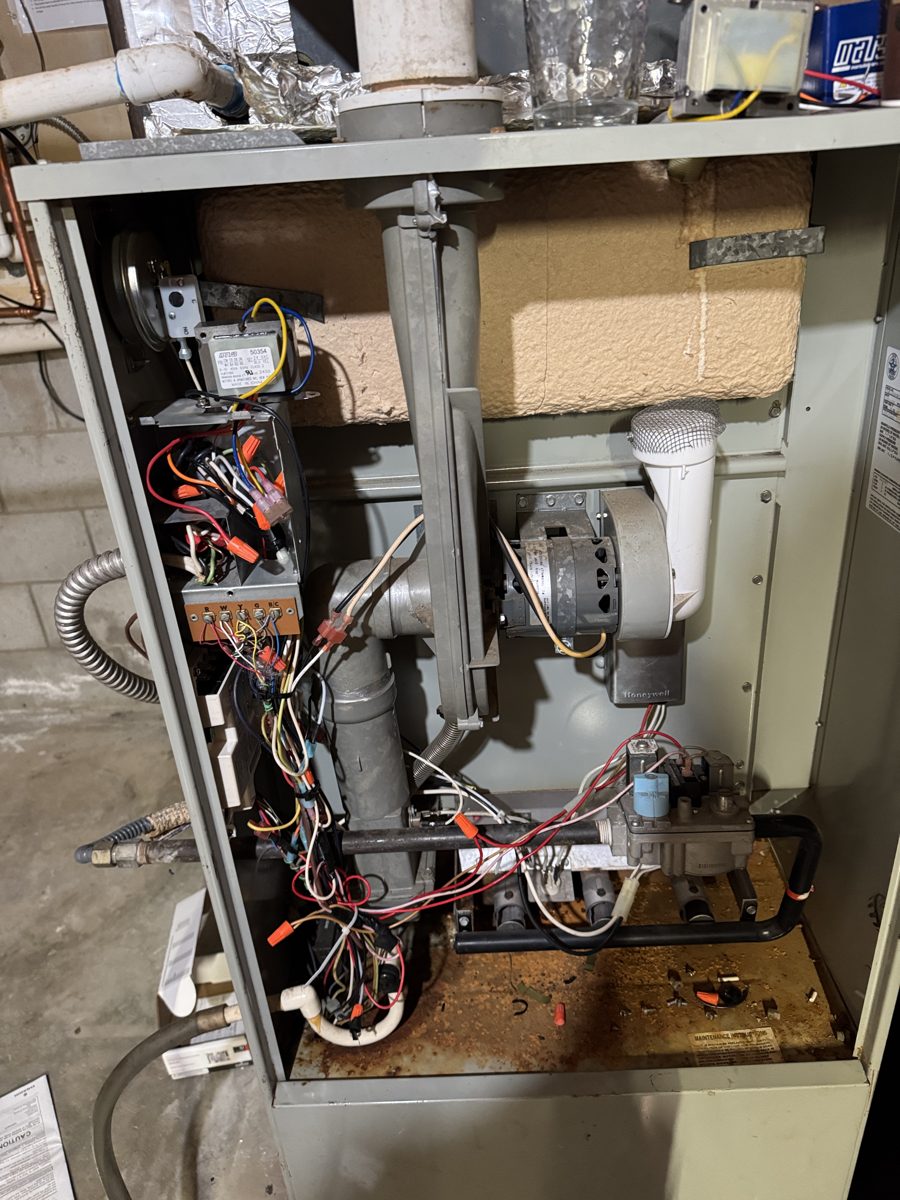
Need an answer for your HVAC system?
Describe the symptom, property type and equipment. Heco will help identify the next practical step.
$49 service fee for first-time customers only. Repair charges depend on the diagnosis and authorized scope. Call (916) 813-2766, daily 8 AM–7 PM. Appointment availability requires confirmation.