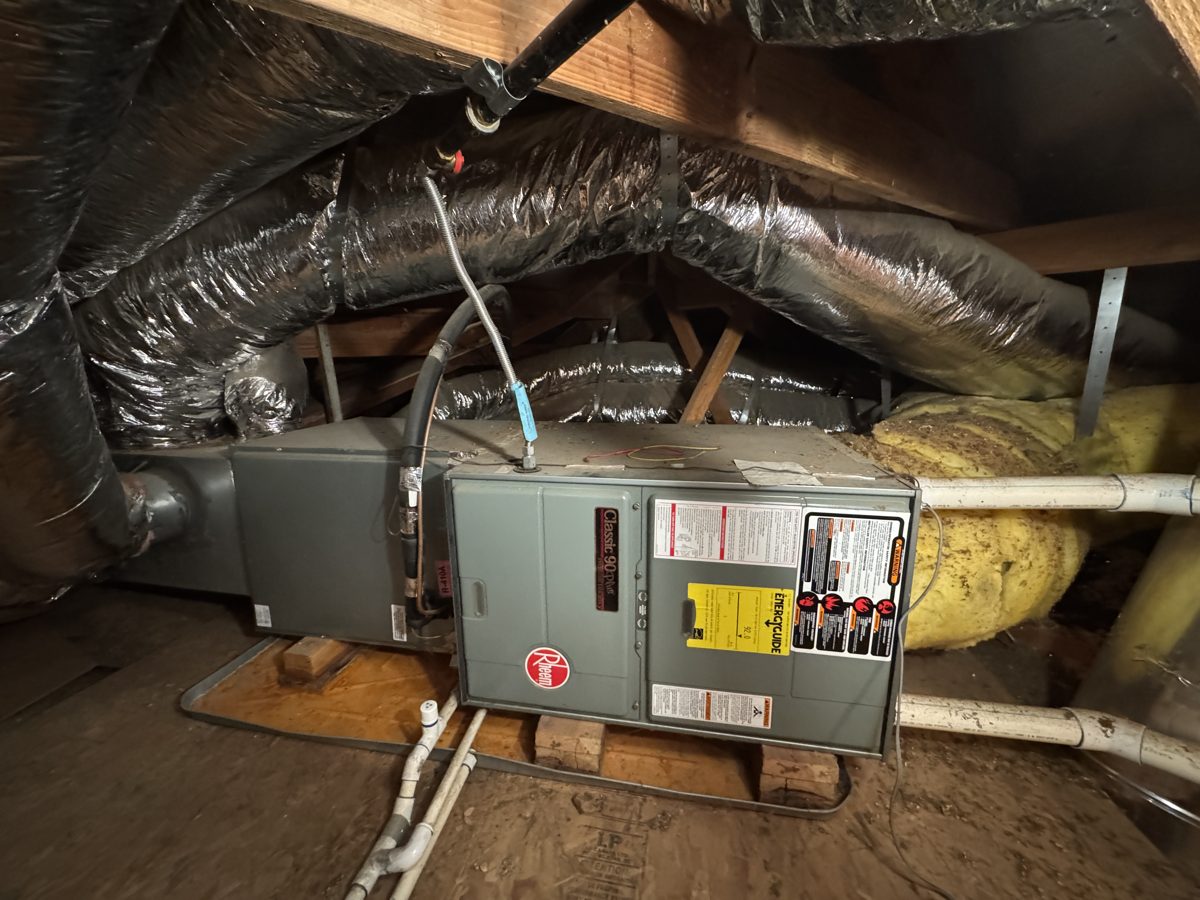
Why is my heater not turning on?
If your heater will not turn on, the first things to check are Heat mode, the thermostat temperature setting and whether its display has power. If those look normal, a protective delay, restricted airflow or an equipment fault may be preventing startup. It does not automatically mean you need a new thermostat or furnace.
Before you call, notice what the system actually does:
- The thermostat is blank: batteries or power may be involved.
- The thermostat works, but nothing starts: settings, equipment power or controls may need attention.
- The fan starts, but there is no heat: the heating sequence needs a closer look.
- It starts and quickly shuts off: a recurring airflow or safety-related fault needs professional diagnosis.
Here is a safe way to narrow down the situation without opening the equipment. This answer applies to a home's central furnace or heat pump; follow the manufacturer's instructions for portable heaters and other appliances.
Put safety ahead of troubleshooting
If you suspect a gas leak, leave immediately and do not use switches, the thermostat, appliances or a phone in the affected area. Call 911 and your gas utility from a safe location. For a carbon monoxide alarm or suspected exposure, move everyone to fresh air and contact emergency services. Do not wait for a routine appointment. Smoke, sparking, a strong electrical burning smell or recurring breaker trips also call for appropriate emergency or professional help rather than repeated startup attempts.
Do not remove burner or electrical covers, touch thermostat wiring, relight a pilot, force ignition, or bypass a furnace door switch, pressure switch, limit switch or another safety device. A heater prevented from starting may be responding to a condition that must be diagnosed, rather than a control that needs to be defeated.
1. Confirm Heat mode and the requested temperature
Check that the thermostat is in Heat rather than Cool, Off or fan-only operation. Set the requested temperature above the displayed room temperature and review any schedule, away setting or temporary hold. A screen showing the expected temperature does not necessarily mean the equipment has received a heat request. Note any heat indicator, warning or error message so you can describe it accurately when requesting service.
2. Is the thermostat blank or unresponsive?
A blank display may involve batteries, equipment power or the thermostat itself; it is not enough to identify the cause. If your model has user-replaceable batteries, follow its manual to replace them. Check for a known utility outage. Look only at readily accessible, clearly labeled switches or breaker positions. Do not open the electrical panel, handle wiring or repeatedly reset a tripped breaker. If the display stays blank or power is uncertain, request a professional evaluation.
3. Allow for the system's normal startup behavior
Some thermostats and heating systems include protective startup delays. Follow the timing in the equipment documentation instead of rapidly switching modes or restarting the system repeatedly. If you hear a fan or another component but receive no heat, report that difference. “Nothing starts,” “the blower starts but the air stays cold” and “it starts then shuts off” describe different conditions and can guide the inspection.
4. Check an accessible filter and clear grilles
Inspect an accessible filter and follow the manufacturer's instructions if it needs changing. Keep supply registers and return grilles unobstructed. A restriction can contribute to a safety shutdown or poor comfort, but a clean filter does not rule out a control or equipment fault. Leave equipment panels securely in place. Do not restart a system repeatedly to see whether a safety condition will disappear.
If your heater is a gas furnace
No-start or interrupted operation can involve the heating request, electrical supply, ignition sequence or safety controls. A professional may need to evaluate ignition, flame sensing, airflow, venting and applicable equipment safeties. Do not assume that gas pressure, a sensor or an igniter is the cause without diagnosis. If a code is visible through the equipment's existing viewing window, record the code and model information without removing a cover.
If your heater is a heat pump
A heat pump uses indoor and outdoor equipment, so a working indoor fan does not by itself prove that heating is operating normally. Controls, electrical supply, airflow and outdoor-unit operation may need evaluation. Describe whether the home maintains the thermostat setting, whether icing persists, and whether auxiliary heat or a fault message appears. Do not handle refrigerant, force a defrost cycle, chip ice from the coil or change installer settings.
When to request heating repair
Request service when the system remains unresponsive after these simple checks, repeatedly starts and stops, cannot maintain room temperature, or displays an unresolved fault. A technician should diagnose recurring breaker trips or unexplained loss of power. If keeping the home warm is urgent because of the occupants' needs, tell Heco when you call so the request can be reviewed; appointment availability still requires confirmation.
Prepare a useful service request
Tell Heco your city and ZIP code, whether you have a furnace or heat pump, when the issue started and what the thermostat shows. Mention recent outages or maintenance and whether any air comes from the vents. You do not need to know which part failed before calling. Keep model information or an existing service record ready if available, without opening equipment to obtain it.
What to expect from Heco
Heco Heating and Air Conditioning evaluates the condition and explains practical repair options before authorized work. The furnace and heat-pump repair service fee is $49 for first-time customers only; any repair charges are explained separately before work proceeds. Call (916) 813-2766, daily 8 AM–7 PM, or request heating service online. Heco is based in Rocklin and confirms coverage and scheduling for the property's location. Submitting a form does not reserve an appointment, and this guide cannot diagnose a particular heater remotely.
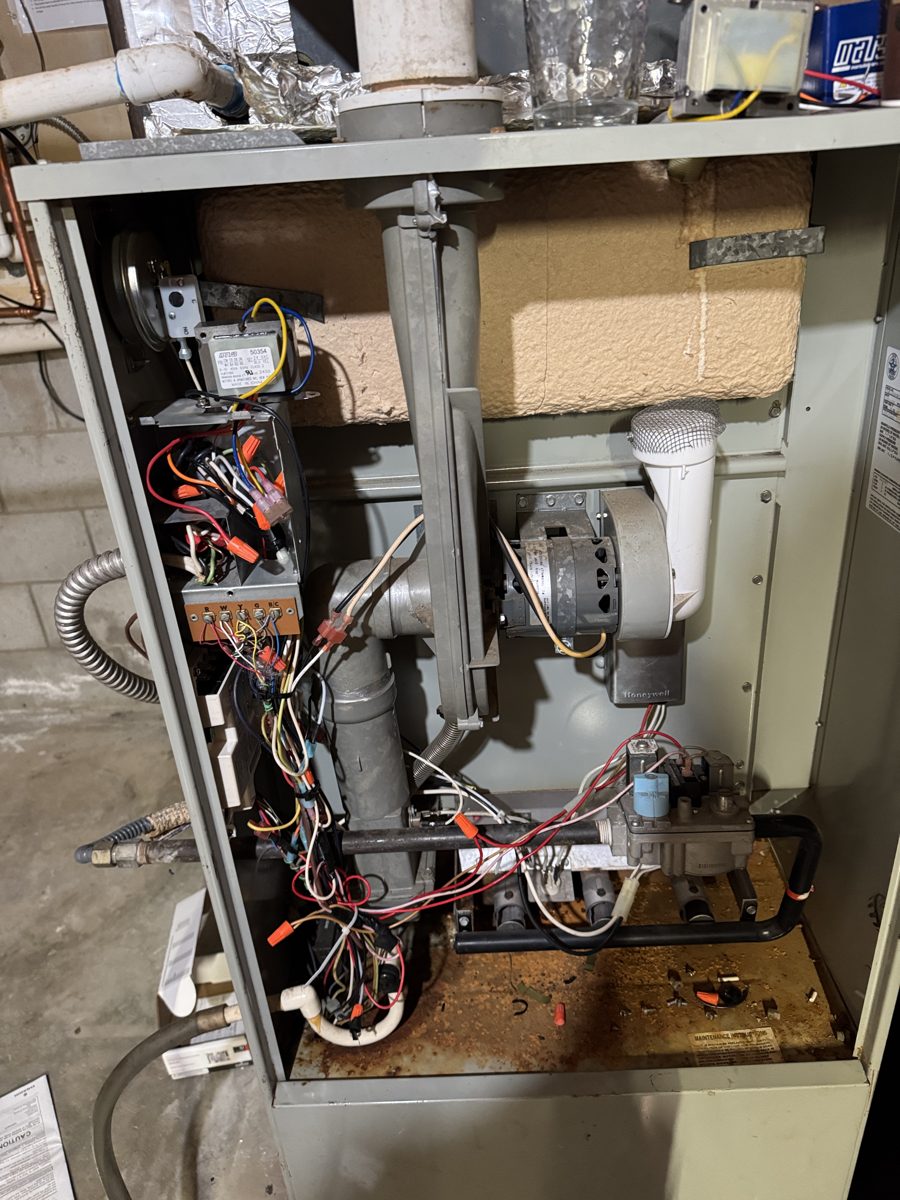
Need an answer for your HVAC system?
Describe the symptom, property type and equipment. Heco will help identify the next practical step.
$49 service fee for first-time customers only. Repair charges depend on the diagnosis and authorized scope. Call (916) 813-2766, daily 8 AM–7 PM. Appointment availability requires confirmation.